
Forensics
Crime Fixer manages the investigation from start to finish. Our third-party forensic experts conduct the forensic investigation and perform all evidence identification, collection, preservation, documentation, testing, and applicable analysis.
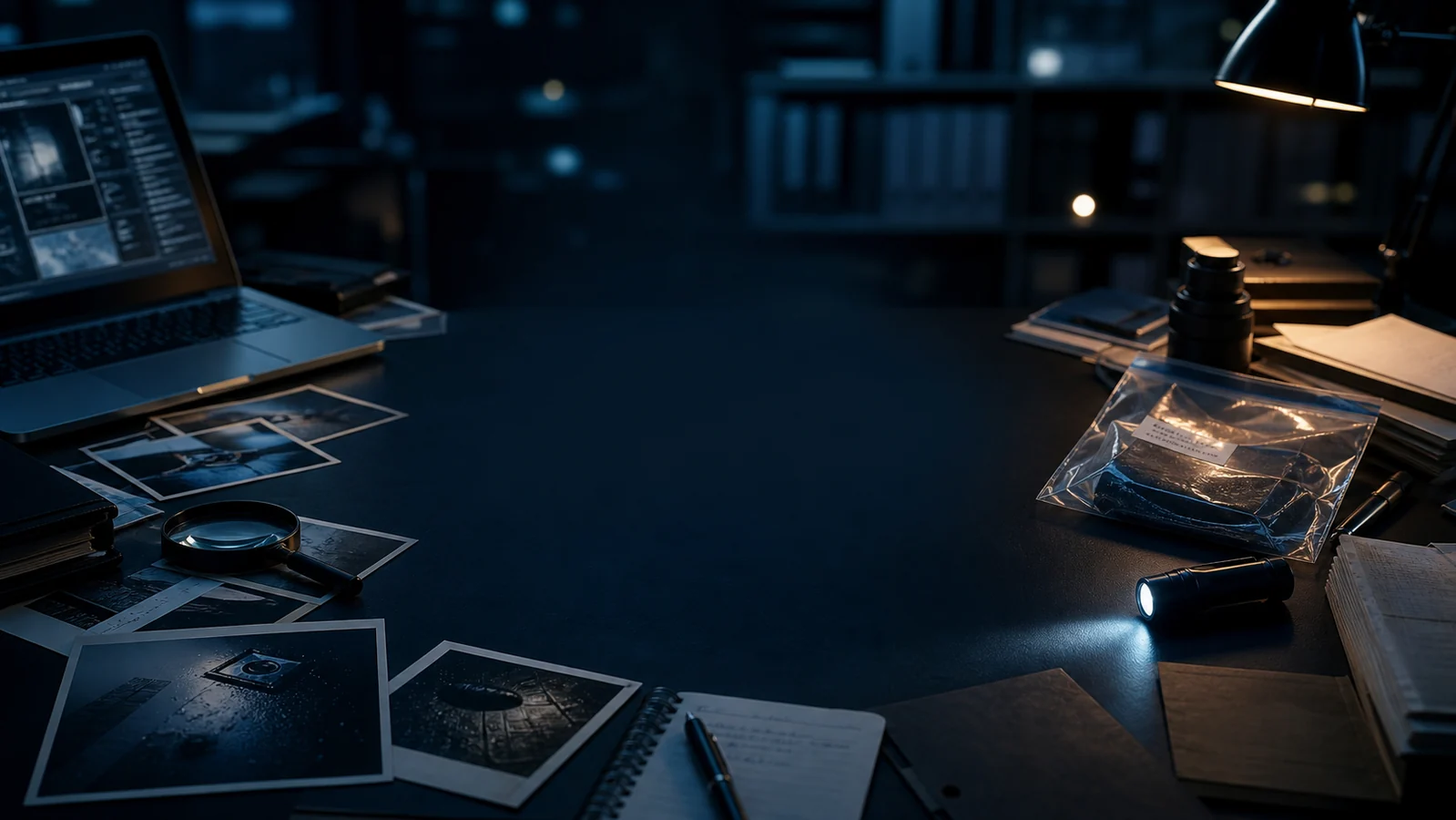
Crime Scene Investigation
Our third-party forensic experts conduct the crime-scene investigation and gather evidence that can help determine who committed the crime, including DNA, tools, fibers, ballistics, narcotics, footprints, tire tracks, fingerprints, data, metadata, and electronic devices.
Physical And Digital Evidence
Our third-party forensic experts identify, collect, preserve, document, test, and analyze physical and digital evidence, including hair, skin, feces, urine, blood, saliva, ejaculate, bullets, gunshot residue, cartridge cases, phones, computers, smart watches, photographs, video, messages, files, and other material connected to the crime.
Cybercrime Response And Digital Investigation
Our third-party forensic experts review approved devices, accounts, records, logs, files, and other digital evidence to determine what happened, preserve the evidence, identify leads, and perform the digital forensic analysis the investigation requires.
Connect Evidence To A Person
Our third-party forensic experts can verify that someone is linked to a crime by examining DNA and fingerprints gathered from items they discarded, or by examining the digital footprints they left behind.
Crime Fixer Manages The Investigation
Crime Fixer manages the investigation from start to finish, coordinates communication and scheduling, keeps the forensic work connected to the larger case, and delivers the completed case documentation. Our third-party forensic experts conduct the forensic investigation and perform all forensic-specific work, including evidence identification, collection, preservation, documentation, testing, and applicable analysis.
Questions People Ask About Forensics
What evidence can Forensics examine?
Our third-party forensic experts can examine DNA, fingerprints, tools, fibers, ballistics, narcotics, footprints, tire tracks, data, metadata, electronic devices, photographs, video, messages, and other evidence.
Can Forensics compare evidence with a person?
Yes. Our third-party forensic experts can compare physical evidence with DNA or fingerprints from discarded items and compare digital evidence with accounts, account records, devices, metadata, and other digital footprints.
Who performs the Forensics work?
Crime Fixer manages the investigation from start to finish. Our third-party forensic experts conduct the forensic investigation and perform all evidence identification, collection, preservation, documentation, testing, and applicable analysis.