
Personal Monitoring
Personal Monitoring keeps a Crime Fixer investigator connected to the client through calls, texts, video chats, check-ins, shared location, wearable data, vitals, and safety alerts.
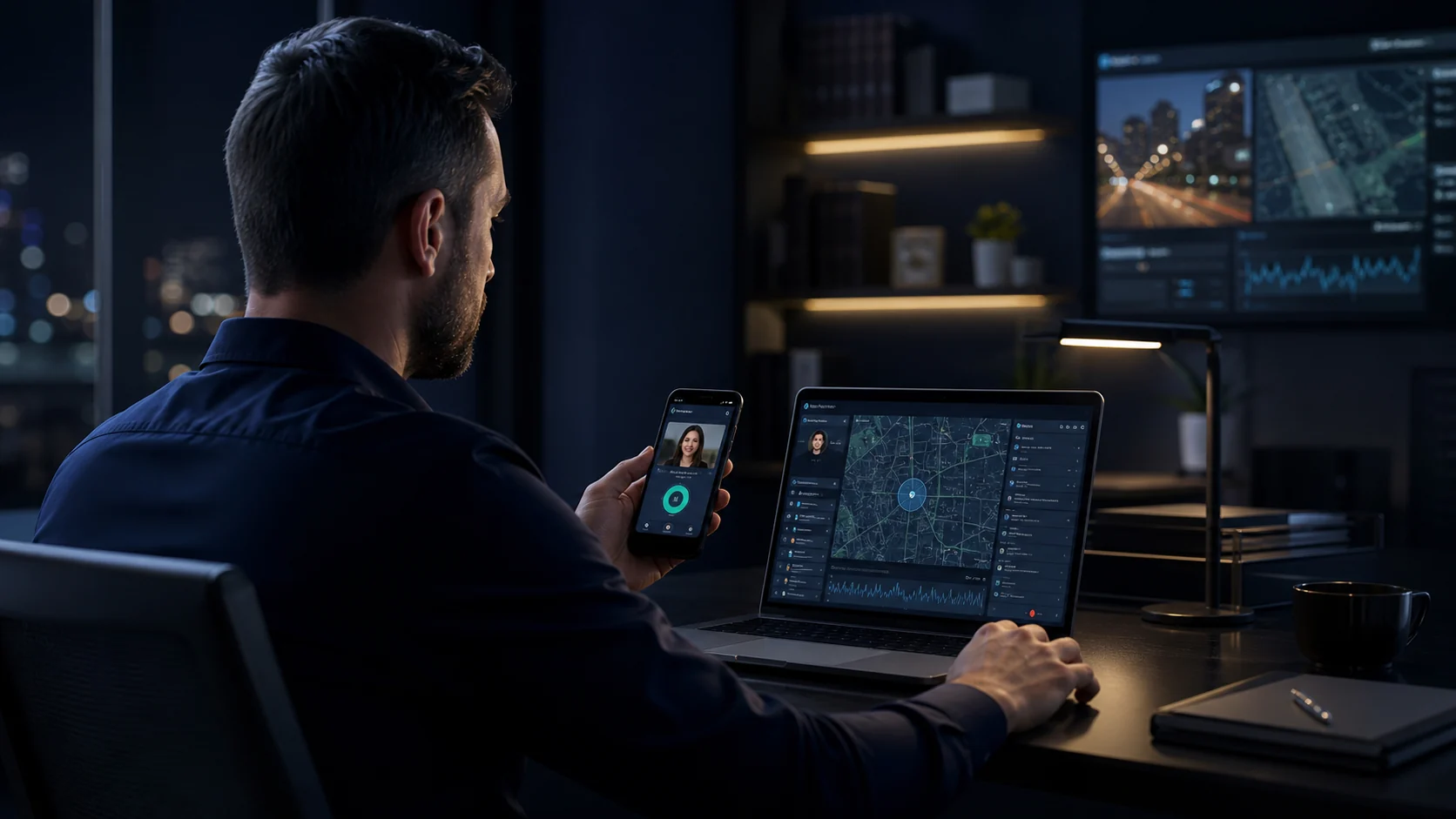
Connect The Client
Crime Fixer connects the calls, texts, video chats, check-ins, shared location, wearable information, and safety alerts authorized for Personal Monitoring, then confirms the monitoring periods and what should trigger action.
Monitor Your Safety
We communicate through calls, texts, or video chats and monitor the authorized location, check-ins, route changes, wearable information, vital alerts, falls, car-crash alerts, and other information connected to your safety.
Live Review And Response
If a serious or escalating threat is detected, it is escalated to a licensed private investigator for live review and response. We can warn you, use Confront for live remote or in-person verbal intervention, activate Respond, alert emergency services, preserve the record, or open a Fix.
Questions People Ask About Personal Monitoring
What can Personal Monitoring follow?
It can follow the client through calls, texts, video chats, check-ins, shared location, wearable information, vitals, fall alerts, crash alerts, and other safety signals.
Can Personal Monitoring run 24/7?
Yes. It can operate continuously 24/7 or during days and times established with Crime Fixer.
What happens when a threat is detected?
Depending on the situation, we can warn you, use Confront, activate Respond, contact emergency services, preserve the record, or open a Fix.