
Vandalism
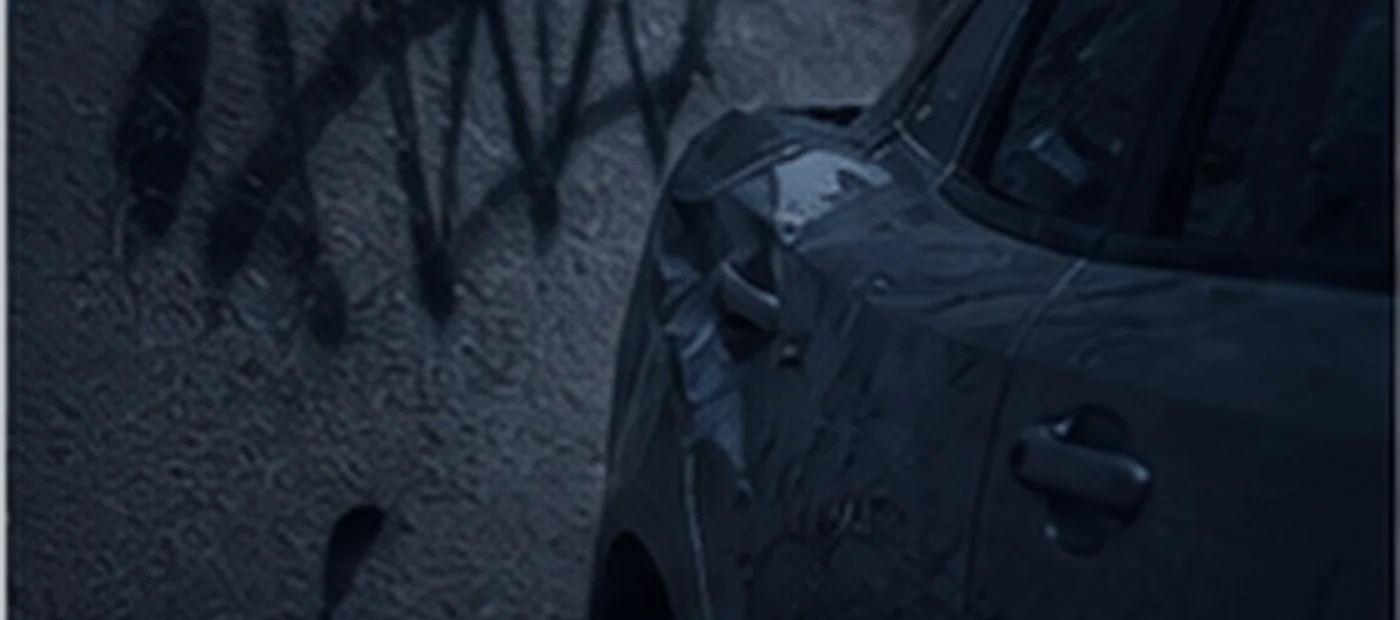
Vandalism In Plain English
Vandalism can include broken windows, graffiti, slashed tires, damaged cameras, cut wires, keyed vehicles, smashed property, dumped trash, tampered locks, or repeated low-level damage that escalates over time.
Vandalism situations are best understood by looking at the behavior, the people with access, the timing, the location, the motive, and the evidence that connects those facts. Motives can include revenge, intimidation, boredom, bias, protest, concealment, gang tagging, harassment, jealousy, employee conflict, neighbor conflict, or an attempt to disable security.
Authoritative references: FBI UCR: Offense DefinitionsFBI UCR: Property Crime
How Vandalism Usually Shows Up
It often occurs overnight, during disputes, after complaints, after relationship conflict, around events, after business decisions, during trespass, or as part of stalking, harassment, burglary, or retaliation.
It can happen at homes, vehicles, businesses, schools, public property, parking lots, fences, signs, construction sites, cameras, mailboxes, and shared property areas.
Authoritative references: FBI UCR: Property CrimeBJS: National Crime Victimization Survey
People, Places, And Access Points
People involved can include property owners, tenants, neighbors, former partners, customers, employees, juveniles, protesters, vandals, witnesses, repair vendors, insurers, and property managers.
Authoritative references: BJS: National Crime Victimization Survey
Warning Signs And Common Patterns
- Damage, missing property, access attempts, or suspicious visits repeat around the same location or routine.
- Security devices are moved, disabled, covered, stolen, or avoided before property is damaged or taken.
- The facts suggest planning: knowledge of schedules, access points, valuables, keys, codes, or blind spots.
Authoritative references: FBI UCR: Property CrimeBJS: National Crime Victimization Survey
Evidence That Often Matters
The useful evidence usually shows the timeline, the people involved, the location, the source of the information, and whether the event is isolated or part of a pattern. Preserve original files and context whenever you can.
- Photos and videos of damage, entry points, missing property, repair records, serial numbers, receipts, and ownership records.
- Camera footage from your property, neighboring homes, businesses, parking areas, delivery routes, and nearby streets.
- A timeline showing when the property was last intact, when the damage or loss was discovered, and who had access.
Common Misconceptions
- Property crime is not always random; repeat access, routines, and prior disputes often matter.
- A single camera angle rarely tells the whole story, but it can help identify timelines, vehicles, clothing, and movement.
- Repairing damage before documenting it can make the pattern harder to understand later.
Typical Next Steps
- Document the scene before cleanup when it is safe to do so, then preserve receipts, repair estimates, serial numbers, and footage.
- Ask nearby homes or businesses for camera footage before it is overwritten.
- Use a timeline to show whether the event is isolated or part of a repeat pattern involving the same people, vehicles, or location.
Questions People Ask About Vandalism
What does vandalism mean in plain English?
Vandalism is intentionally damaging, defacing, destroying, or tampering with property that belongs to someone else.
What evidence usually matters in a situation involving vandalism?
Photos and videos of damage, entry points, missing property, repair records, serial numbers, receipts, and ownership records. Camera footage from your property, neighboring homes, businesses, parking areas, delivery routes, and nearby streets.
Is one incident involving vandalism enough to matter?
Sometimes. One serious incident can matter immediately, but many situations involving vandalism become clearer when the timeline shows repetition, access, motive, witnesses, and supporting evidence.
When should someone stop researching vandalism and get help?
If someone is in immediate danger, a weapon is involved, a person is missing or vulnerable, medical care is needed, or evidence may disappear quickly, contact emergency services, law enforcement, an attorney, an advocate, or another qualified professional right away.
Related Crime Fixer Resources
Related Crimes
These topics often overlap with this situation: TrespassingArsonHarassmentBurglary
Related Guides
Use these guides to preserve information and avoid common evidence mistakes: Document Package Theft, Car Break-Ins, Vandalism, And TrespassingAsk Neighbors And Businesses For Camera FootageSave Security Camera Footage Before It Overwrites
Related Products
These products may help document, monitor, or preserve context when used lawfully: Security CamerasDash CamsTrackers