
Crimes

Rape
Rape and sexual assault involve sexual contact or penetration without lawful consent, including situations involving force, threats, coercion, incapacitation, or inability to consent.

Arson
Arson is intentionally setting fire to property, structures, vehicles, land, or objects, especially when the fire creates danger, damage, loss, or concealment of another act.

Drugs
Drug-related crime can involve possession, dealing, trafficking, manufacturing, overdose risk, nuisance activity, threats, weapons, exploitation, or recurring activity at a location.

Fraud
Fraud is deception used to obtain money, property, identity information, services, access, or another benefit from someone who relied on false information.

Theft
Theft is taking or keeping property, money, services, or access that belongs to someone else without permission and with the intent to deprive the owner of it.

Murder
Murder and homicide involve the unlawful killing of a person, with the legal classification depending on intent, circumstances, justification, and the available proof.

Assault
Assault involves unlawful force, attempted force, injury, threats, or conduct that makes another person reasonably fear immediate harm.

Robbery
Robbery is theft involving force, threats, intimidation, or fear, so it combines property loss with immediate personal danger.

Burglary
Burglary involves unlawfully entering or remaining in a building, vehicle, room, fenced area, or protected place to commit a crime inside.

Stalking
Stalking is a pattern of unwanted attention, monitoring, following, contact, threats, or intrusion that causes fear, emotional distress, or safety concern.

Squatting
Squatting involves unauthorized occupancy or control of property, but the facts can overlap with trespass, landlord-tenant issues, fraud, utilities, and civil court rules.
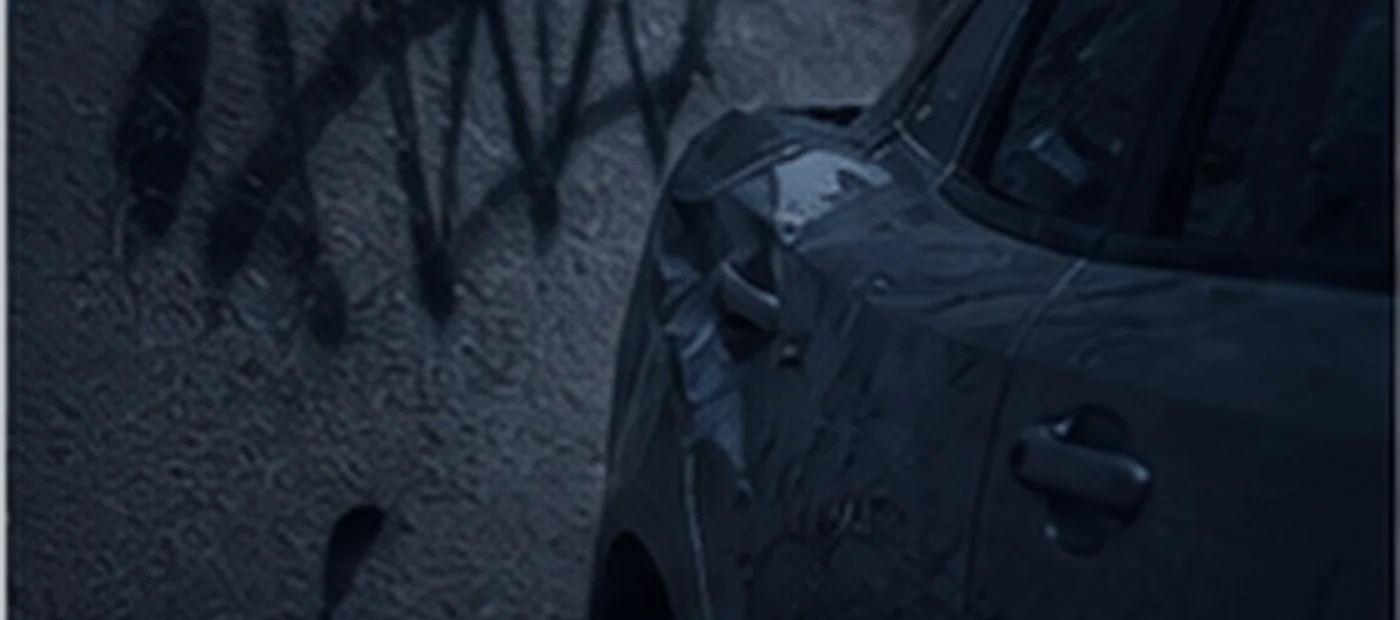
Vandalism
Vandalism is intentionally damaging, defacing, destroying, or tampering with property that belongs to someone else.

Cybercrime
Cybercrime involves computers, phones, accounts, networks, digital identities, online platforms, or electronic communications being used as the target or tool of a crime.

Harassment
Harassment is unwanted conduct that pressures, threatens, alarms, annoys, humiliates, or intimidates someone, especially when it repeats or continues after boundaries are made clear.

Kidnapping
Kidnapping involves taking, holding, moving, hiding, or restraining a person without lawful authority, often through force, fear, deception, or coercion.

Trespassing
Trespassing involves entering or remaining on property without permission, especially after notice, boundaries, signs, locks, or prior warnings make access unauthorized.

Illegal Weapons
Illegal-weapons concerns can involve unlawful possession, prohibited weapons, threats, trafficking, unsafe storage, modified weapons, or weapons connected to other crimes.

Missing Persons
Missing-person situations involve someone whose location, safety, or ability to return is unknown, whether the cause is criminal, medical, voluntary, accidental, or unclear.

Human Trafficking
Human trafficking involves exploiting a person through force, fraud, or coercion for labor, services, commercial sex, debt, housing, transportation, or control.