
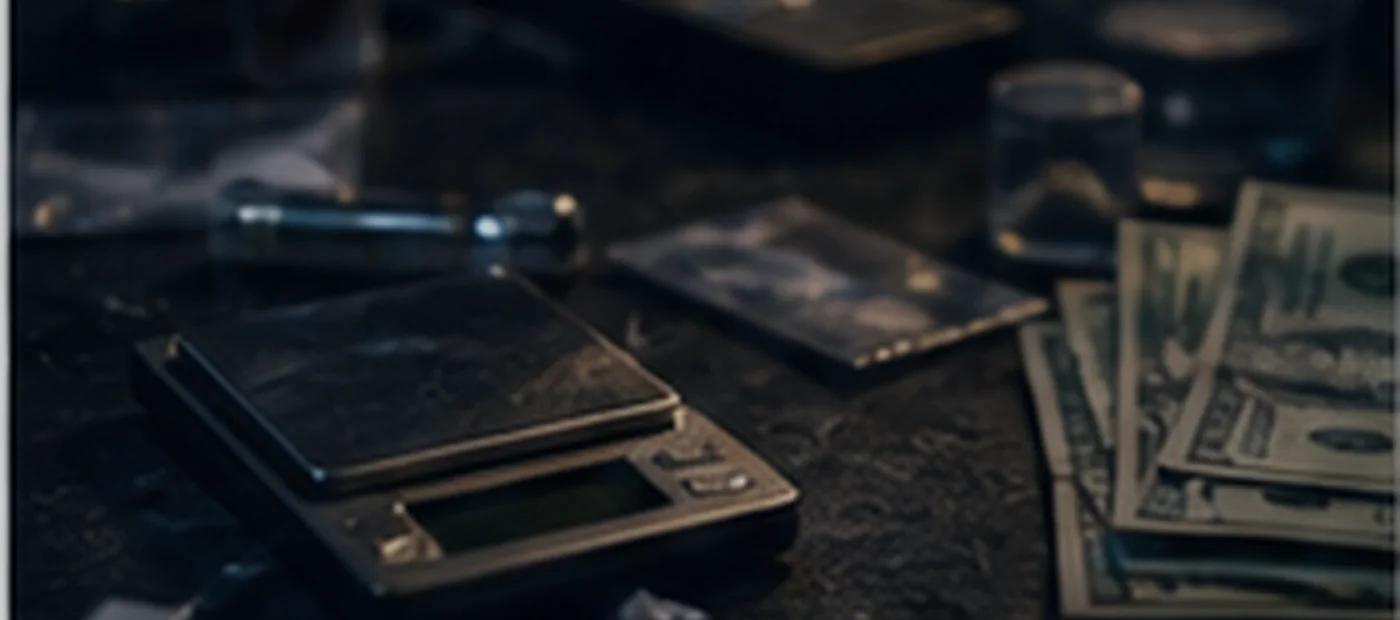
Drug Use, Drug Possession, And Drug Distribution Are Different Questions
A person appearing intoxicated, receiving visitors, or having addiction problems does not establish a sales operation. Investigators look for observable conduct such as exchanges, packaging, quantities, money movement, delivery coordination, production equipment, repeated short visits, or statements connecting a person to distribution.
Laws differ by substance, amount, prescription status, intent, age, location, and jurisdiction. Describe what was observed rather than attempting to identify an unknown powder or choose a charge.
Sources: FBI National Incident-Based Reporting System User ManualDEA: Drug Fact Sheets
A Drug Hotspot Develops As A Repeatable System
Recurring drug activity may involve suppliers, sellers, buyers, drivers, lookouts, storage locations, payment accounts, and predictable times. The location may also attract theft, violence, weapons, exploitation, trespass, discarded needles, impaired driving, or overdose calls.
One short visit proves little. A reliable record shows repeated conduct and distinguishes residents, customers, deliveries, guests, workers, and ordinary neighborhood traffic.
- Dates, times, duration, routes, and repeated vehicles or people.
- Observable exchanges, containers, communication, or lookout behavior.
- Associated threats, weapons, fights, theft, property damage, or medical events.
- Camera, access, complaint, dispatch, and witness records that independently confirm the pattern.
Sources: FBI National Incident-Based Reporting System User Manual
Do Not Handle, Smell, Taste, Or Test An Unknown Substance
Unknown powders, liquids, pills, needles, and chemical equipment can create exposure, contamination, and evidence risks. Keep people away, avoid creating dust or aerosols, and call emergency services when there is an immediate hazard, suspected lab, exposed child, or medical emergency.
Photograph only from a safe position if directed and practical. Do not use consumer test kits as a reason to handle material or make a public accusation. Qualified authorities determine collection, packaging, and laboratory analysis.
Sources: DEA: Drug Fact SheetsCDC: Responding To A Suspected Overdose
An Overdose Is A Medical Emergency
Signs can include inability to wake, slow or stopped breathing, choking or gurgling sounds, discolored lips or nails, or a limp body. Call 911, administer naloxone when available and appropriate, follow dispatcher instructions, support breathing, and remain with the person if it is safe.
Do not wait to determine the exact substance or preserve a perfect scene. Tell responders what was found or taken, provide packaging when safe, and disclose naloxone doses and times.
A Safe Incident Log Uses Facts Instead Of Neighborhood Rumors
Record what the observer personally saw, the distance and conditions, and what remains uncertain. Keep secondhand statements attributed to their source. Avoid labels based on appearance, race, poverty, disability, visitors, or prior reputation.
A pattern is stronger when independent records agree: recurring camera events, access data, discarded packaging, police or medical calls, vehicle identifiers, transactions, and separate witnesses. A long list of unsupported conclusions is not the same as evidence.
Sources: FBI National Incident-Based Reporting System User Manual
Reporting Should Identify The Harm And The Pattern
Use 911 for violence, weapons, overdose, fire, an active break-in, impaired driving, or immediate danger. For recurring non-emergency activity, use the local reporting channel and provide dates, times, location, descriptions, vehicles, video availability, and connected report numbers.
Do not confront suspected sellers, make controlled purchases, follow vehicles, enter private property, or install cameras where there is no authority. Those actions can create danger and interfere with an investigation.
Sources: CDC: Responding To A Suspected OverdoseFBI National Incident-Based Reporting System User Manual
Children, Tenants, Workers, And Vulnerable Adults May Be Part Of The Risk
A drug location can involve coercion, unsafe housing, child exposure, wage exploitation, stolen property, domestic violence, or trafficking. Record the specific condition rather than assuming every person present is a willing participant.
Information about a child, dependent adult, threat, or unsafe chemical condition may need a different reporting pathway from a general drug complaint. Give the responsible agency the facts that create that concern.
Sources: FBI National Incident-Based Reporting System User ManualU.S. Department of Justice: What Is Human Trafficking?
Reducing The Location Problem Requires More Than One Arrest
Recurring activity can return when access, property management, lighting, cameras, abandoned spaces, account use, vehicle routes, or the supplier network remains unchanged. Review the physical and operational conditions that made the location useful.
Property owners should use lawful lease, notice, access, safety, and maintenance procedures. Neighbors should maintain factual reporting rather than public accusations that can escalate retaliation or misidentify residents.
Sources: FBI National Incident-Based Reporting System User Manual
Separate Immediate Medical Danger From The Longer Crime Pattern
An unresponsive person, slowed or stopped breathing, blue or gray skin, choking sounds, seizure, severe confusion, chest pain, or suspected poisoning is a medical emergency. Call 911, follow the dispatcher, use naloxone when an opioid overdose is possible and the product is available, and stay with the person when it is safe. Do not delay lifesaving care to photograph the room, identify a substance, question witnesses, or decide whether anyone will be arrested.
The recurring crime can be documented after the immediate danger is addressed. Keep the emergency date and location, responder information, observed conduct, vehicles, video availability, discarded packaging, threats, property damage, and prior report numbers in one chronology. Do not collect or open suspected drugs or paraphernalia. Tell responders where an item is and let trained personnel decide how to handle it.
A medical event and a distribution investigation answer different questions. An overdose may reveal a dangerous supply or location, but it does not establish who sold a substance. Repeated short visits, cash exchanges, concealed handoffs, threats, and vehicle patterns may support further investigation, but no single behavior should be treated as proof without corroboration.
Sources: CDC: Responding To A Suspected OverdoseDEA: Drug Fact SheetsFBI National Incident-Based Reporting System User Manual
Questions People Ask About Drugs
Do frequent short visits prove drug dealing?
No. They may be relevant as part of a larger repeated pattern, but investigators need conduct and corroborating evidence rather than visitor frequency alone.
Should an unknown powder be tested with a home kit?
Do not handle unknown material to test it. Keep people away and contact emergency or law-enforcement authorities appropriate to the risk.
What should someone do during a suspected overdose?
Call 911, give naloxone when available and appropriate, follow dispatcher instructions, support breathing, and stay with the person if safe.
Can camera footage be used to document a recurring location?
Yes when the camera is lawfully placed and the footage shows specific conduct, timing, people, vehicles, and connected events. Presence alone is not proof of a drug crime.
Should suspected activity be posted in a neighborhood group?
Public accusations can misidentify people, provoke retaliation, and alert offenders. Preserve the facts and report them through the proper channel.