
Patrol
When It Fits
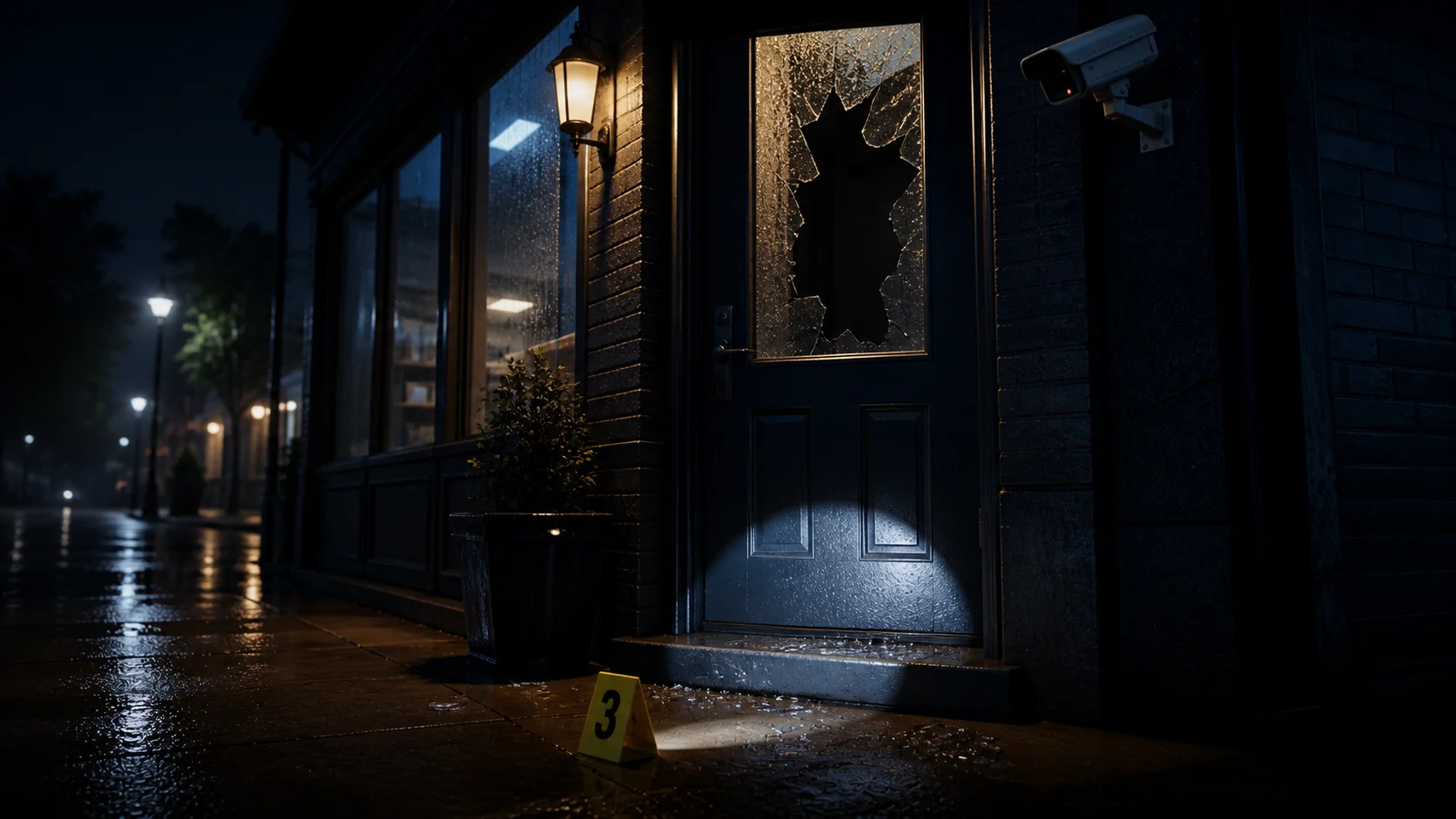
Patrol fits when an area needs repeated field checks, visible presence, activity documentation, deterrence, or pattern observation over a scheduled period.
What It Can Include
Patrol can include route checks, property checks, parking-area checks, hotspot checks, date/time/location-stamped documentation, suspicious-activity notes, and coordination with authorized contacts.
How It Supports Dispatch
Patrol uses Dispatch hours for repeated physical checks. It does not replace police, fire, alarm-company, or emergency services.
Evidence And Next Steps
Patrol work usually matters when physical presence can document what happened, deter further problems, observe a location, or connect an incident to a clearer next step.
Useful documentation may include time, date, location, observations, photos, video, witness context, vehicle information, access-point details, and what happened before, during, and after the field work.
Dispatch is not a substitute for 911, police, fire, or medical services. If someone is in immediate danger, call 911 first and use Crime Fixer only when private field support is lawful and appropriate.
Questions People Ask About Patrol
When should I use Patrol?
Patrol fits when this part of Dispatch is the most direct way to verify facts, document what is happening, reduce uncertainty, or support the next lawful step.
What does Patrol produce?
Patrol can produce notes, reports, timelines, observations, records, photos, video, source links, interview context, or other documentation depending on what is lawful, available, and relevant to the work.
What are the limits of Patrol?
Patrol must be used lawfully and safely. It does not guarantee a specific result, replace emergency services, or override instructions from police, courts, attorneys, medical providers, or other proper authorities.