
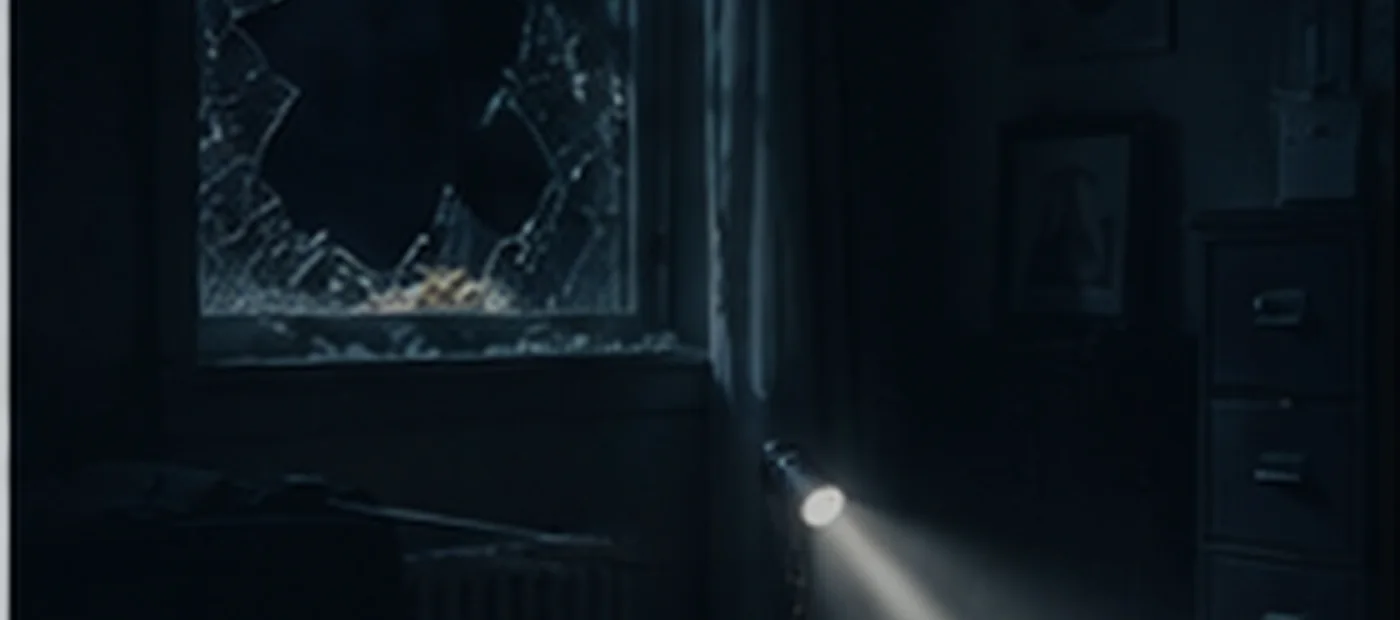
Entry And Intent Separate Burglary From Ordinary Trespass
A person can enter through an unlocked door, use a copied key, remain after permission ends, or obtain entry by deception. The legal definition varies, but investigators look at whether entry or remaining was authorized and what the person intended to do inside.
A missing item may establish theft, but burglary can exist even when the person fled before taking anything. Conversely, property can be stolen without a burglary if the person already had lawful access.
Sources: FBI Crime Data Explorer: BurglaryFBI National Incident-Based Reporting System User Manual
Do Not Walk Through The Property To See What Is Missing
If a burglary may still be in progress, leave and call 911. After police clear the location, limit movement until the scene is documented. Door and window areas, drawers, containers, discarded objects, footprints, blood, fingerprints, DNA, and toolmarks can be altered by cleanup and repeated handling.
Photograph the outside approach, entry, interior path, disturbed areas, and exit before temporary repairs. Note weather, open doors or windows, lights, alarms, odors, and anything that looks out of place.
Sources: Bureau of Justice Statistics: Victimization During Household Burglary
The Burglary Window Should Be Narrowed With Independent Records
The last person leaving and first person returning provide useful boundaries, but cameras, alarms, access control, smart locks, utilities, device connections, deliveries, neighbor observations, and transactions may narrow the time further.
Record the source for every time. A camera clock can be wrong, a witness may estimate, and a platform timestamp may use a different time zone. Reconcile rather than silently changing times to make them match.
- Last confirmed secure condition and who verified it.
- First alarm, access, camera, sound, or witness event.
- Police dispatch, arrival, and scene-release times.
- Later use, sale, tracking, or recovery of stolen property.
Sources: FBI Crime Data Explorer: BurglaryBureau of Justice Statistics: Victimization During Household Burglary
Approach And Escape Footage Often Shows More Than The Interior Camera
Interior video may show a covered face. Route footage can show casing behavior, a face before masking, a vehicle, an accomplice, carried property, or a return visit. Check neighboring homes, businesses, traffic routes, alleys, elevators, parking, and transit.
Ask owners to preserve a wider window than the visible entry. Burglars may arrive earlier, test access, hide nearby, or transfer property after leaving.
Sources: FBI Crime Data Explorer: Burglary
An Inventory Should Separate Confirmed Loss From Uncertainty
List each missing or damaged item with description, serial number, photograph, receipt or value basis, last known location, and ownership. Mark items that are still being checked instead of inflating the confirmed total.
Preserve packaging, manuals, cloud-device records, warranties, and repair records that may contain identifiers. Notify police when a serial number or additional loss is found so the official report remains usable.
Sources: FBI National Incident-Based Reporting System User Manual
Casing Is A Pattern That Must Be Distinguished From Normal Activity
Repeated slow passes, door checks, camera tampering, false deliveries, questions about occupancy, and observation of routines may be relevant when tied to the burglary. A single unfamiliar person in a public area is not proof of casing.
Preserve earlier camera events and incident reports. The useful question is whether the same person, vehicle, account, or method appears across locations and dates.
Sources: FBI Crime Data Explorer: Burglary
Repairs And Security Changes Should Preserve The Before Condition
After police and insurers authorize work, photograph and retain damaged locks, strike plates, windows, doors, alarm components, or other relevant parts. Record who removed them and where they are stored. Temporary boarding and lock changes should also be documented.
Review how entry occurred before buying random equipment. Better lighting, door and frame reinforcement, window protection, code control, camera placement, alarms, and longer video retention should address the actual method and route.
Sources: Bureau of Justice Statistics: Victimization During Household Burglary
The Case Continues When Property Reappears
Online listings, pawn records, card use, device logins, trackers, tolls, and later burglaries may connect the event to a person or group. Preserve the lead and send it to the investigator instead of arranging contact.
Recovered property should be documented in place when possible. Possession can produce leads, but investigators still need to determine how the holder obtained it and whether that person committed the burglary.
Sources: FBI Crime Data Explorer: BurglaryFBI: Organized Retail Theft
Different Properties Produce Different Access Evidence
A house, apartment, office, store, warehouse, construction site, and short-term rental do not produce the same records. A residence may depend on household routines, smart locks, neighbors, and delivery cameras. A managed building may add key-fob history, elevator video, intercom calls, parking access, maintenance tickets, and visitor logs. A business may have employee schedules, alarm openings, point-of-sale activity, loading records, and inventory changes.
Start by listing every legitimate way a person could enter and every system that would record it. Then preserve the records before their normal retention period expires. A valid credential does not prove the entry was authorized for that time or purpose, and a missing access event does not prove nobody entered; doors can be held open, records can fail, and people can follow an authorized user.
For vacant or active construction property, document contractors, subcontractors, lockbox access, material deliveries, temporary power, inspection visits, and changes to fencing or site gates. These sites often have shifting access rules, so the records must show what the rule was on the date of the burglary rather than what it became afterward.
Sources: FBI Crime Data Explorer: BurglaryBureau of Justice Statistics: Victimization During Household Burglary
Questions People Ask About Burglary
Does burglary require a broken door or window?
No. Unlawful entry can occur through an unlocked opening, copied key, deception, or remaining after permission ends, depending on local law.
Can it be burglary if nothing was stolen?
Yes. Burglary can focus on unlawful entry with intent to commit a crime inside, even when that crime was interrupted or not completed.
Should a homeowner check every room before calling police?
No. If someone may still be inside, leave and call 911. Walking through can create danger and disturb evidence.
How large should the video preservation window be?
Include time before entry and after departure so investigators can see casing, approach, accomplices, vehicles, and property transfer.
What if a former roommate still has a key?
Document when permission and occupancy ended, notices, key or code control, communications, and the exact entry and conduct. Ownership and occupancy disputes may require legal review.