
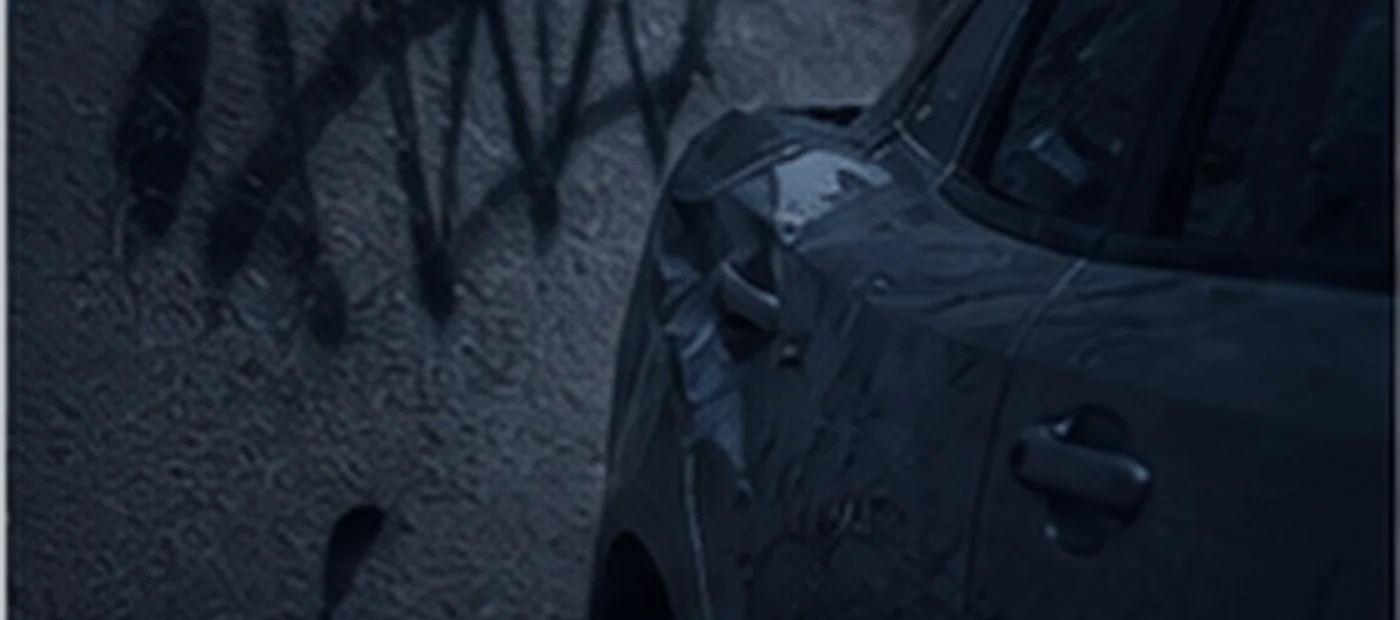
Intentional Damage Can Take More Forms Than Broken Windows
Vandalism can include graffiti, cutting tires, damaging locks, breaking cameras, poisoning landscaping, contaminating property, disabling equipment, scratching vehicles, flooding, or interfering with utilities. The exact offense and seriousness often depend on intent, value, hazard, protected property, and connection to another crime.
Normal wear, accidental damage, defective products, weather, animals, and maintenance work can resemble deliberate damage. Document the condition and surrounding facts before deciding what caused it.
Sources: FBI National Incident-Based Reporting System User Manual
Photograph The Whole Scene Before The Close-Up
Start with the property, approach routes, boundaries, and relationship among damaged areas. Then take medium and close views with scale where appropriate. Photograph debris, paint, tools, footprints, tire marks, discarded containers, and anything moved or left behind.
Keep original files and record the photographer, date, and time. Night photographs may need a daytime follow-up to show location and camera coverage.
Sources: FBI National Incident-Based Reporting System User Manual
Damage Value Needs Support, Not A Guess
Save repair estimates, invoices, replacement quotes, cleanup costs, lost-use records, and photographs showing pre-damage condition. Separate cosmetic repair, functional repair, replacement, and emergency mitigation so the claimed loss can be understood.
Do not discard damaged parts until police, insurers, owners, and any relevant expert have had an opportunity to inspect them. Record why an emergency repair could not wait.
Sources: FBI National Incident-Based Reporting System User Manual
Video Must Show The Act Or Connect The Person To It
A person walking near damaged property is not the same as video of the damage occurring. Review footage before, during, and after the event for tools, contact with the property, camera avoidance, vehicles, accomplices, and departure with matching materials.
If the act is outside the camera view, route cameras and timing may still connect a person, but the limits should be stated honestly. Preserve original exports and system clock information.
- The last intact view and first damaged view.
- People, vehicles, tools, and objects entering or leaving the area.
- Camera tampering, light changes, or blocked views.
- Similar activity at neighboring locations.
Sources: FBI National Incident-Based Reporting System User Manual
Repeated Damage Should Be Treated As One Developing Pattern
Use one incident chronology with photographs, exact locations, methods, target selection, messages, witnesses, video, repair costs, and report numbers. Repeated timing, symbols, tools, vehicles, or access routes can connect events that appear minor alone.
Escalation from messages to property damage, or from exterior damage to attempted entry, changes the safety problem. Update police and any stalking, harassment, landlord, workplace, or court record rather than reporting the event as unrelated.
Sources: SPARC: Identifying Stalking BehaviorsFBI National Incident-Based Reporting System User Manual
Graffiti And Symbols Require Context
Record the exact image, spelling, size, placement, colors, and nearby markings before removal. A symbol may be a signature, threat, hate indicator, group reference, imitation, or unrelated marking. Do not assign meaning solely from an online image search.
If the content targets a protected group or contains a specific threat, tell law enforcement. Preserve earlier messages or incidents that may explain why this location or person was selected.
Sources: FBI National Incident-Based Reporting System User ManualFBI: Threat Intimidation Guide
Repair The Actual Vulnerability After Evidence Is Preserved
Move or add cameras to capture faces, hands, vehicles, and approach routes; improve lighting; protect cables and recorders; reinforce the damaged point; control keys and codes; and extend retention. A camera that only records the final damaged surface may document loss without identifying anyone.
Avoid public traps or dangerous improvised countermeasures. Prevention should increase detection and resistance without creating hazards or confrontation.
Sources: FBI National Incident-Based Reporting System User Manual
The Method Can Connect Damage Before A Person Is Identified
Repeated incidents can be compared by more than date and address. Investigators look at the type of damage, tool or material used, words or symbols, height and placement, approach route, time window, target selection, weather, nearby events, and what the person appears to know about the property. A shared method does not prove the same offender, but it can reveal which incidents belong in one working pattern.
Preserve enough detail to make comparison possible. A photograph labeled only “more damage” loses scale, direction, surface, and surrounding context. Keep original images, repair records, samples when lawfully collected, camera exports, and a map of every location. Record differences as carefully as similarities; forcing unrelated events together can hide the actual pattern.
Sources: FBI National Incident-Based Reporting System User Manual
Damage To Security Systems May Be Preparation For Another Crime
A cut cable, covered camera, broken light, damaged gate, disabled alarm, punctured tire, or altered lock may be more than the final act. It can test response time, remove visibility, delay a vehicle, create access, or prepare for burglary, theft, stalking, or assault. Document security-related damage as its own event even when the replacement cost is small.
Review footage and system records before and after the damage, not only the moment it occurred. Look for earlier reconnaissance, repeated device failures, a person checking whether the repair was completed, or a later incident using the newly created gap. Restore safety promptly after preservation, and record exactly when each camera, light, alarm, lock, or barrier returned to service.
Compare the outage window with access logs, alarm events, nearby cameras, deliveries, vehicle movement, and anything later found missing or disturbed. If the system stopped recording without visible damage, preserve power, network, account, and maintenance records before assuming it failed naturally or was deliberately disabled.
Sources: FBI National Incident-Based Reporting System User ManualFBI Crime Data Explorer: Burglary
Questions People Ask About Vandalism
Should vandalism be repaired immediately?
Address hazards and weather exposure, but document the complete condition first and confirm whether police, insurance, ownership, or expert inspection is needed.
Does camera footage of someone nearby prove vandalism?
Not by itself. The footage is stronger when it shows the act or connects the person through timing, tools, route, distinctive behavior, and other evidence.
How should repeated small damage be reported?
Report each event and maintain one chronology connecting dates, methods, targets, footage, witnesses, costs, and earlier report numbers.
Can repair cost affect the offense level?
Often yes, although the rules vary. Preserve estimates, invoices, replacement basis, and evidence of the prior condition.
Should graffiti be cleaned quickly?
Often yes after complete photographs, measurements, reports, and any requested evidence collection are finished. Prompt removal can discourage repetition, but preservation comes first.